

Response to RFQ-2026-01, Insurance Brokerage and Strategic Risk Management Partner. September 15, 2026.
Most brokers who service construction accounts have never written a blast design review into a risk control recommendation, evaluated a vibration and airblast monitoring program against ISEE Field Practice Guidelines, or placed an excess tower for an operation with ATF-licensed magazines. We have done all three.
The table below is our current in-force book across the three SIC codes that together define ARI’s operational profile. It is not a claim about capability. It is what is on the books today.
HUB Market Clout, data date 09/08/2026. Reflects in-force accounts recorded in EPIC and BenefitPoint. Excludes acquisitions not yet migrated to EPIC and HUB-owned MGA/Wholesale placements.
Exposure analysis run the way an underwriter would run it, so we negotiate from knowledge instead of taking what the market offers. Contract and indemnity review sits here, in-house.
Admitted, E&S, and London capacity with real blasting appetite. Separate tower analysis for each structurally distinct placement, tested for the same peril in both directions.
Large deductible, corridor, aggregate, group captive, single parent. Modeled against ARI’s actual five-year loss history, not an industry benchmark.
Claims advocacy with a named 24/7 line, certificates in two business hours on rush wording, ISEE and MSHA-competent risk engineering, and analytics built for a CFO.
Everything else on this page supports these.

ARI runs a 0.73 experience modification rate with zero OSHA recordables across utility-scale solar work. Most brokers will call that a safety statistic. It is a financial position.
In a guaranteed cost program a 0.73 subsidizes operators who do not match it. The question is not whether ARI’s safety record is good. It is whether ARI is being paid for it. The timeline on this page shows the path, and the alternative risk section names the people who would run it.
The second argument is smaller and it shows up every week. For a contractor bidding across 23 states, a certificate for a blasting operation is not administrative work. It is three or four pages, and the person who issues it has to have read the contract. We name that person and we commit to two business hours on rush wording.
Behind both sits real market access for high-hazard drilling and blasting, 90 single-parent captives under management, and a Eugene office five miles from your door.

Prepared for Aggregate Resource Industries. Confidential and Proprietary.


A response is only worth what the people behind it are willing to put their names to. ARI’s RFQ Section 5 asks for named individuals rather than an org chart, which is the right question, because the gap between a pitch team and a service team is where most broker relationships go wrong.
What we are committing to is narrow. That the people on this page present on September 21 and service the account on October 15. That rush certificates go out in two business hours, issued by a named person who read the contract. That contract and indemnification review on active bids is included and not billed through outside counsel. And that what we cannot verify, we write down as unverified rather than assume.
We are not asking to be evaluated on the relationship. We are asking to be evaluated on the response.
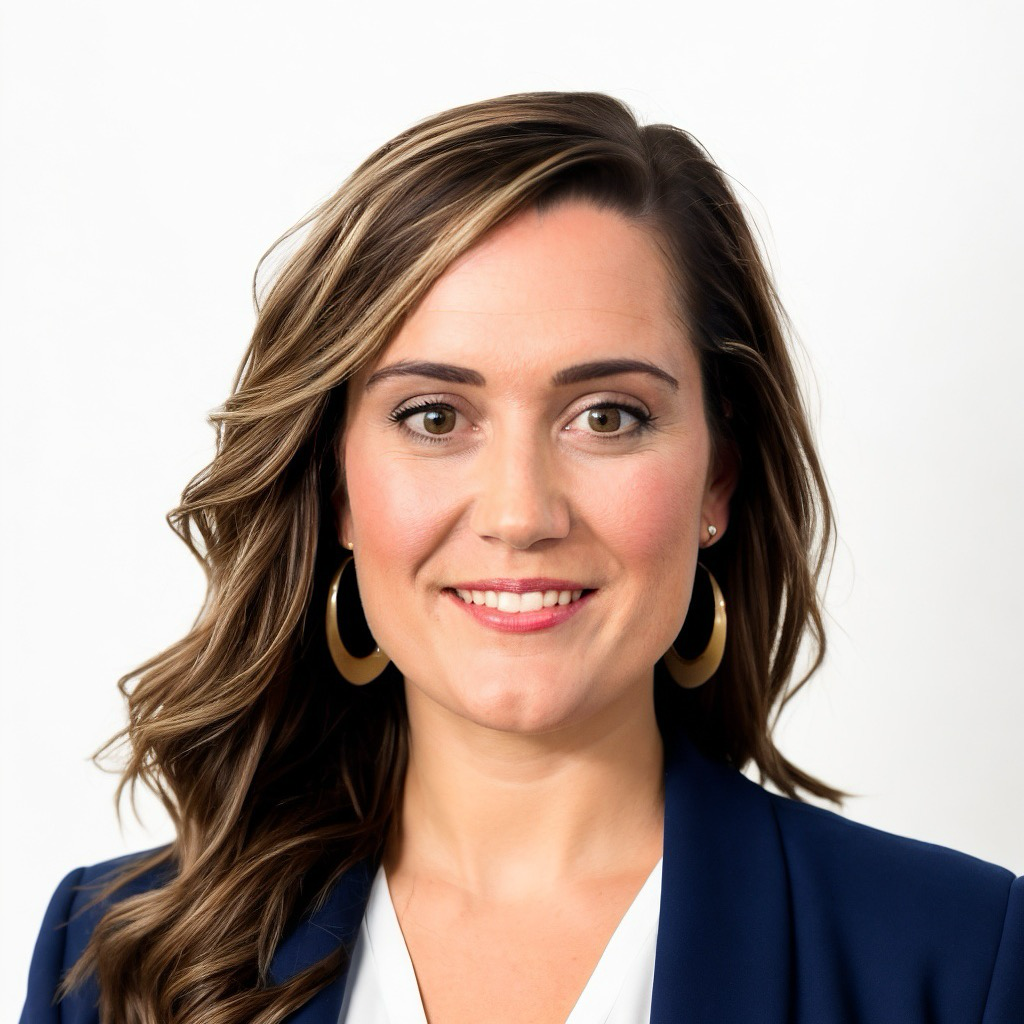
Accountable end to end. ARI’s single point of contact for every insurance need, for anyone in the organization.
Accountable for certificates, policy servicing, and endorsement processing. 27 years in commercial lines.
Accountable for captive feasibility, structure selection, and implementation on the commercial program.
Accountable for the benefits program and the group health captive evaluation.
This is not a package and it is not a proposal. It is our full risk services menu, and ARI decides what runs on its account.
We work as a full-service bench rather than a fixed scope, which means the safety and risk engineering layer is set by what ARI actually needs rather than by what we happen to sell. Decline what is already covered. Include what is not. Leave unmarked anything you want to talk through before deciding.
Fleet, DOT, and workers compensation lead the list because Class 1 explosives transport and high-hazard class codes across 23 states are where cost concentrates. Property sits third, framed around the equipment schedule rather than the buildings, because that is where the value sits. Platform and recordkeeping sits last because it is an implementation item rather than an exposure.
DOT fleet compliance review
Assessment of the target's regulated operations against FMCSA requirements, covering hours of service, vehicle maintenance records, and drug and alcohol program administration.
Driver qualification file auditTravel upon request if onsite is preferred
File by file review against federal requirements. Identifies missing motor vehicle records, expired medical certificates, and incomplete employment verification before a file gets pulled after an accident.
CSA score analysis
Review of the target's safety scores by category, showing which sit above federal intervention threshold and what is driving them. Scores follow the operating authority into your program.
Telematics platform review
What the target runs today, what the contract costs to exit, and what it costs per unit to move them onto your platform. We support the commercial conversation on both sides.
Accident register and preventability review
Three years of the target's accidents read for pattern rather than count, with their preventability standard tested against yours.
Defensive driver training program
Structured driver curriculum with completion tracking, delivered online or onsite, to bring target drivers onto a single standard.
Supervisor accident investigation training
Supervisor level training on post accident procedure, scene documentation, and driver coaching. Distinct from operator training and usually the weaker of the two.
Fleet policy and accident review board design
Fleet program structure, written policy, and the review board process that decides what counts as preventable and what happens next.
Claims reserve audit
File level review to find claims reserved too low, which hides liability that surfaces after close, and claims reserved too high, which inflates the modifier and the premium you inherit.
Experience modifier verification
The published modifier checked against the actual loss record. Errors in the rating worksheet are common and correcting them is a direct premium reduction.
Modifier trajectory modeling
Projection of how the target's open claims will develop into future rating periods. Tells you what the modifier will be, not what it is today.
Class code and payroll allocation review
Verification that payroll sits in the right class codes and the right states. Misallocation is one of the most common premium errors and it surfaces at audit if it is not caught first.
Injury trend and root cause analysis
Claims read for pattern rather than volume, which is what separates a run of bad luck from a program that is not working.
Return to work program reviewTravel upon request if onsite is preferred
Assessment of the target's modified duty program, which is the largest controllable driver of claim duration and therefore claim cost.
Carrier and adjuster handling review
How well the incumbent carrier has handled the target's claims, and whether service terms are worth preserving or replacing at close.
Claims reporting protocol alignment
Reporting timelines, investigation standards, and escalation paths matched to yours. Reporting lag is expensive and it is fixable in week one.
OSHA log review and injury rate benchmarking
Injury records analyzed and benchmarked against the target's own industry code, which shows whether a clean loss year reflects a good program or a quiet one.
Written safety program auditTravel upon request if onsite is preferred
Program by program review against regulatory requirements, identifying what is missing, what is out of date, and what exists on paper without evidence in the field.
Onsite safety inspectionTravel upon request if onsite is preferred
Field assessment at the target's operating locations with written recommendations ranked by hazard. This is the check on whether the paperwork matches the yard.
Citation and abatement history review
Open citations, inspection history, and abatement status. An open citation is an inherited penalty exposure and a signal about what regulators already found.
Training records and matrix reviewTravel upon request if onsite is preferred
Who has been trained on what, when it expires, and where the gaps are by role and location.
Contractor and subcontractor prequalification review
How the target vets the firms it hires and whether its indemnity and insurance requirements hold up. Weak prequalification transfers other people's losses to you.
General liability exposure assessment
Third party bodily injury and property damage exposure, including public interface at job sites.
Industrial hygiene assessment
Exposure monitoring for airborne and physical agents including silica, noise, and diesel particulate.
Environmental compliance review
Waste handling, storage, and reporting obligations, including fuel and fluid management across yards.
Ergonomics assessment
Task level assessment for the manual handling and repetitive work that drives soft tissue claims.
Employment practices program review
Harassment and discrimination program structure and training, which is the control on employment practices liability exposure.
Carrier recommendation advocacy
Management of open loss control recommendations from the target's carrier, including response drafting and closure. Open recommendations compound into renewal friction.
Equipment schedule and valuation reviewTravel upon request if onsite is preferred
Cranes, rigging, trailers, and mobile equipment reviewed against current replacement cost. Equipment schedules age badly and underinsurance is only discovered after a loss.
Schedule of values review and enrichment
Locations reformatted into an underwriter preferred schedule with flood zone, distance to coast, and geographic coding appended automatically.
Catastrophe modeling
Modeled loss expectancy by peril, run on the same platform underwriters use. For Pacific Northwest operations the question is earthquake and what the target adds to your accumulation.
COPE data collection and validationTravel upon request if onsite is preferred
Construction, occupancy, protection, and exposure detail verified. Incomplete data forces underwriters to price conservatively, which costs you at renewal.
Accumulation analysis
Radius based concentration analysis showing what happens when a single event hits several of your locations at once. Each acquisition adds to this.
Replacement cost valuationTravel upon request if onsite is preferred
Independent valuation review on buildings and structures to identify underinsurance before a claim proves it.
Fire protection system evaluationTravel upon request if onsite is preferred
Assessment of sprinkler, alarm, and suppression systems against recognized codes and standards.
Aerial imagery assessment
High resolution imagery providing detailed building attributes for underwriting, and rapid damage assessment after an event.
Disaster recovery vendor network enrollment
Access to a vetted national vendor network for mitigation, restoration, and equipment recovery, coordinated through a single contact after a loss. Vendors fund the program, so there is no management fee.
Cyber posture assessment
Current state assessment with prioritized remediation. A target materially weaker than your standard is exposed from the day of close, and their policy may not follow the transaction.
Business impact analysis
Identification of critical processes and how long you can be without them. This is also what sizes business interruption limits, which are usually a guess without it.
Incident response readiness
Whether the target has a response capability that has actually been exercised, rather than a written plan nobody has run.
Third party and vendor risk review
Which vendors touch the target's systems and data, and what exposure comes with them.
Business continuity and emergency action planning
Continuity program structure and site level emergency procedures, aligned across locations.
Physical site security assessmentTravel upon request if onsite is preferred
Access control, perimeter, and surveillance at yards and equipment storage, where theft exposure concentrates.
Workplace violence prevention program
Program structure, threat assessment capability, and the process for managing a threat once it is identified.
Fraud controls review
Governance, exposure identification, and the detection controls that catch it. Relevant on any acquisition where financial processes are being merged.
Safety platform onboarding
Target entities and locations built into your risk management platform so recordkeeping runs on one system from the first reporting period.
Injury log and incident tracking migrationTravel upon request if onsite is preferred
Historical injury records loaded and incident reporting switched over, including mobile capture for field supervisors.
Safety data sheet migration
Chemical inventory and safety data sheets moved into managed storage that satisfies the access requirement.
Training assignment and tracking setup
Curricula assigned by role with completion tracked by supervisor, so training status is a report rather than a search.
Certificate tracking setup
Certificate of insurance issuance and compliance tracking extended to the target's named insureds and contract requirements.
Safety observation and audit tools
Field observation capture and structured self assessment, which builds the documentation trail that supports a claim defense.
Consolidated risk data feed
Policy, claim, exposure, and location data consolidated with direct carrier and administrator feeds, so the combined loss picture is complete at close rather than rebuilt at renewal.
This is what goes to Logan Haugen. Nothing has been sent yet.
Every service in the menu above is delivered by a named person on this page, not by a vendor and not by a queue. That is the whole reason the selection is real rather than decorative. If ARI marks twelve services Include, these are the six people who run them.
For ARI the work is specific. Coordination of carrier and independent engineers competent in ISEE Blasters’ Handbook standards and vibration and airblast monitoring. MSHA Part 46 and Part 48 training program assessment. DOT and FMCSA compliance review for Class 1 explosives transport. Driver qualification file assessment and CSA analysis. Incident investigation with root-cause analysis.
ARI’s StrataIQ platform generates the field data that makes this work. Pre- and post-blast volumetrics, MWD penetration data, and blast plan compliance records are exactly the documentation that controls cost when a vibration damage claim is contested. In the first 30 days we run a technology discovery session to find the integration points.
None of this is bundled into a fixed scope. Select what you want, decline what you have, and the bench sizes to the answer.
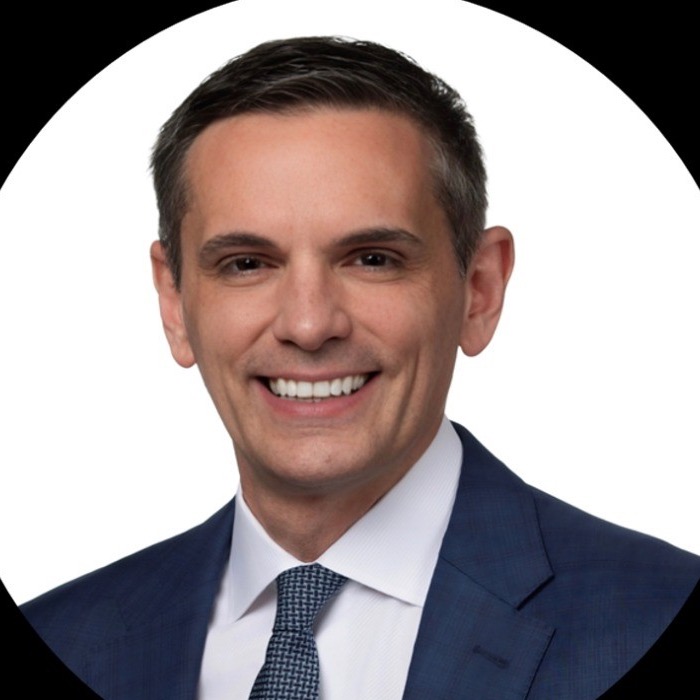
Leads HUB’s Risk Services practice nationally. Every discipline in the selection above sits under his practice. His involvement is what makes these specialists a national bench rather than a regional one.
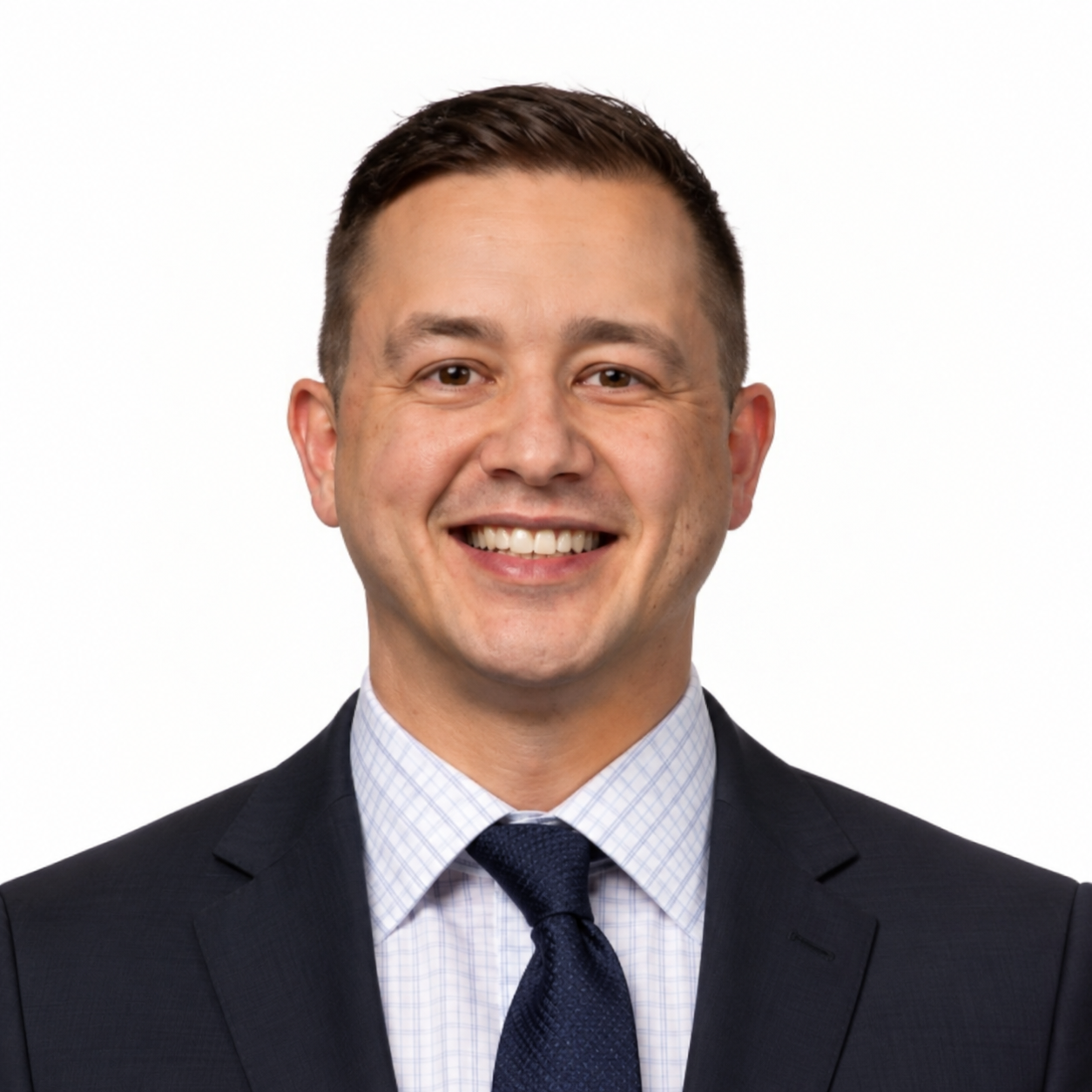
Named risk services consultant on the ARI account. Fire Protection Engineering and Safety degree from Oklahoma State. Former FM Global field engineer, account engineer, and property adjuster. Bothell, WA.
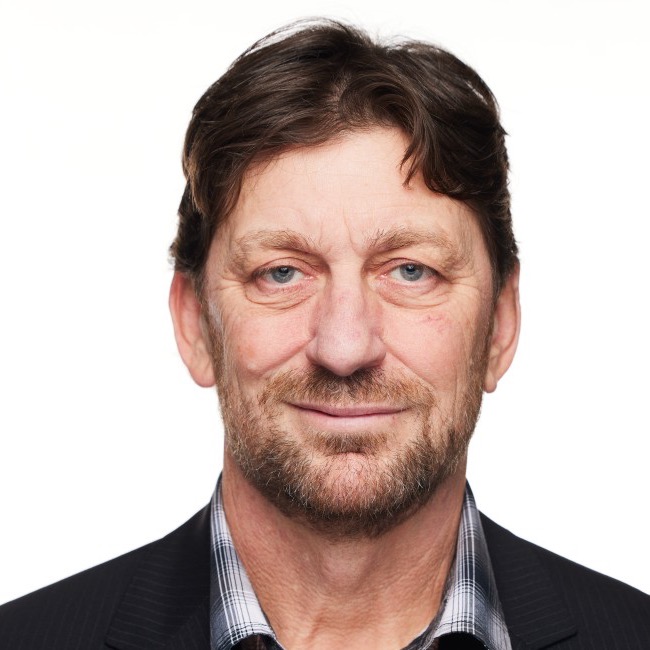
Onsite risk assessment, field risk reports, and experience modifier review. Risk exposure harmonization across multi-entity, multi-state structures.
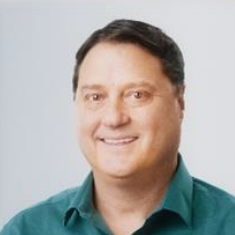
Eighteen years in workers compensation. Reviews open and closed claim files, reserve positions, and development history. On a high-hazard operating account this is the file the program gets read from.

Licensed attorney embedded on Team Haugen. Coverage analysis, contract review, indemnity and additional insured structures, and claims advocacy. In-house and included rather than billed through outside counsel.

Loss data and analytics on the workers compensation program, working alongside Xander on the claims behind the numbers.
Not a portal. A person.
She has 27 years in commercial lines and she owns this function on your account.
A three or four page certificate for a blasting operation is not clerical work. It requires reading the policy, reading the contract, and thinking about what the owner requires before anything goes out. That work is not offshored and it is not handed to software.
Standard certificates go out within 24 hours. Rush and special-wording certificates go out within two business hours. CSR 24 gives ARI round-the-clock self-service access to issue, track, and manage certificates, and to track subcontractor and vendor compliance in one place. The platform is there for convenience. The accountability sits with a person.
For a company operating across 23 states with multiple active project sites, certificate administration is a real operational function. We proactively manage state contractor licensing and COI requirements across that footprint so a certificate never becomes the reason a project start slips.
Don Watson is a licensed attorney embedded directly on Team Haugen as Client Service Advisor and Risk Consultant. For a contractor bidding across 23 states, that means indemnification language, additional insured requirements, and hold-harmless provisions get read by someone qualified to read them.
Before the contract is signed, not after a claim is denied.
Most brokerages route this to outside counsel on the client’s dime. Ours is in-house and included. Contract insurance requirement review runs within two business days of receipt, and faster on an urgent bid.
ARI runs a 0.73 with zero OSHA recordables across utility-scale solar work. Every structure worth discussing on this account moves risk off the commercial market and onto ARI’s own balance sheet. Large deductible. Corridor deductible. Aggregate structures. Group captive. Single parent captive. Every one of them improves capital efficiency by retaining more.
Retention changes what a good safety record is worth.
Under a guaranteed cost program, ARI’s performance funds the losses of operators who do not match it. The benefit arrives later if it arrives at all, priced into a renewal, spread across a rated class, and impossible to attribute to the discipline that produced it.
Under a retained structure, that same performance lands on ARI’s own balance sheet. No lag, no spreading. The underwriting profit and the investment income come back to the company that earned them.
That is not an argument for maximum retention. It is an argument that the safety record and the funding structure are the same decision. How much risk ARI can responsibly retain is a function of how well the loss history is understood, which is why the modeling comes before the recommendation and why the timeline on this page moves deliberately rather than fast.
Two tools sit underneath every structural recommendation we would make.
FirstRATE, our Risk Tolerance Model, stress-tests ARI’s financial capacity against unexpected retained losses across cash flow, working capital, and EBITDA. It answers one question. How much can this company absorb in a bad year without the structure becoming a problem.
SCORE, our Stochastic Cost of Risk Evaluation, models loss frequency and severity across thousands of simulations by coverage line. It identifies optimal retention by line against ARI’s own profile rather than a class benchmark.
Neither produces a recommendation on its own. Together they give a CFO the grounding to make a retention decision as a financial decision rather than an insurance preference. The economic case for any structure requires actual program data, premiums, retained losses, and financials, which we collect in the first 30 days.
RFQ Section 3(d) calls this a central objective. It is also where we are deepest.
ARI’s RFQ says a central objective is to evaluate each respondent’s ability to help ARI progress toward a captive or other alternative risk-financing strategy. That is an unusual thing for a contractor to put in writing, and it changes what this response should look like.
Two people run this on ARI’s account. Neither is a referral to an outside consultant.
17+ years at HUB International, entirely in captives, from captive management through Captive Marketing Director. Based in Pittsburgh, working nationally. john.yaple@specialtycaptivegroup.com

Leads HUB’s Alternative Risk Solutions practice, guiding captive feasibility and program design.
This is the sequence, and the timeline in this response puts dates against it.
HUB International is the largest privately held insurance brokerage in the world. Our Specialty Captive Group manages more than 100 captives across 550 clients, including 90-plus single-parent structures, backed by 30 years of in-house feasibility, actuarial, and implementation work. Single-parent, group, cell, or risk retention group: whatever structure ARI’s loss data supports, we build and manage it in-house rather than referring it out. There is no captive structure ARI would realistically consider that sits outside our reach.
The economic case for any captive structure requires the actual program data, premiums, retained losses, and financials, which we collect early in the engagement. What we can say from ARI’s public profile is that its scale, multi-state payroll concentration, and operational discipline signal the kind of loss-control maturity that often supports favorable captive economics. Whether a captive makes sense for ARI is a question we answer with data, not assumptions.
Captive pre-feasibility studies sit outside brokerage compensation, typically $35,000 to $75,000 depending on complexity. ARI decides whether to proceed based on the findings. Actuaries, captive managers, and domicile counsel are disclosed in advance and require ARI’s approval before any engagement begins.
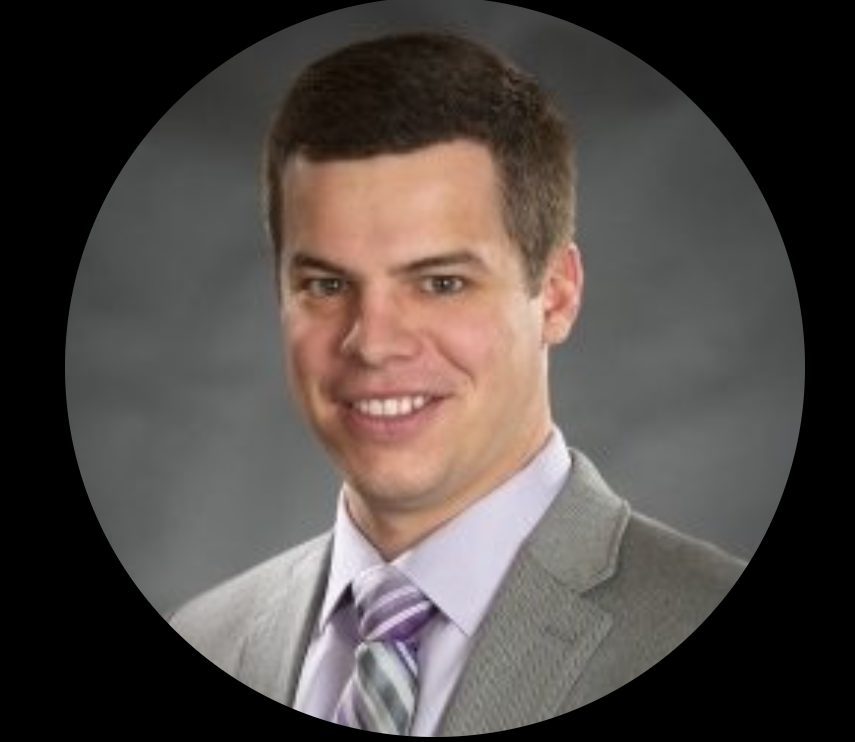
The people on this account.
Benefits do not behave like property and casualty. A medical plan is a contract with its own renewal date, a compliance position in every state an employee sits in, and a claims run that keeps developing. It is diligenced and serviced by specialists who do not work the casualty side, which is why it sits on its own track in the timeline below.
The argument is the same one that runs through the casualty side of this response. A 115-person workforce with a strong safety culture is a better risk than the pool it is rated against. Alternative funding is how that gets recognized. We would assess individual and aggregate stop-loss structure, level funding, and the economic case for routing claims through a group captive, using ARI’s actual claims experience and employee demographics.
For an employer competing for skilled drill operators and running a DOL-registered apprenticeship program, benefits are a recruiting and retention tool, not a line item.
Plan design, funding strategy, network negotiations, and vendor partnerships, run as one discipline rather than four separate exercises. Every decision evaluated through cost containment, trend management, and long-term scalability. She leads HUB’s North America Wood Practice in Employee Benefits and was recognized as a National 2023 Power Broker by Risk and Insurance. 12+ years in employee benefits.
Michael works out of the Eugene office. He and Samantha run employee benefits as a pair rather than splitting it. Both are on the account, both are in renewal meetings, and either one can answer a question without waiting for the other. Certified Insurance Counselor, 11+ years in employee benefits.
This pairing also answers RFQ Section 5’s primary-and-backup requirement directly.
Every section ARI’s Section 10 requires, in the order it requires them. This is the same file delivered to Cody Bjorklund as a searchable PDF. Nothing above it on this page replaces it. Everything above it is what would not fit inside it.
September 15, 2026 to September 1, 2027. The whole year, both tracks.
Most broker transition plans stop at ninety days, which is roughly the point at which the interesting work starts. This one runs a full year, because the thing ARI asked for in Section 3(d) cannot be built in a quarter.
Two tracks run in parallel from the day the broker of record letter is effective. Property and casualty with workers compensation on one. Employee benefits on the other. They converge on the same argument from different balance sheets.
This is an illustrative calendar built from ARI’s RFQ schedule and publicly stated renewal dates. Actual renewal dates, release dates, and program structure are confirmed against ARI’s policies and loss runs under NDA, and the calendar is reissued as a working document at the kickoff meeting.
This is the compressed window.
The commercial renewal lands roughly six weeks after appointment, and the plan has to acknowledge that rather than pretend otherwise. Forty days is not a comfortable runway for a program this size, which is why the work below is sequenced rather than parallelised and why the applications are built before the effective date rather than after it.
Track A · Property and casualty and workers compensation
Track B · Employee benefits
The renewal is bound, which is exactly when the structural work gets room.
Track A · Property and casualty and workers compensation
Track B · Employee benefits
Reinsurance treaties renew January 1, which means the capacity picture and the pricing are readable from the first week of the year. Running the captive evaluation off cycle is deliberate. It keeps the analysis out of the renewal scramble and gives ARI a decision window instead of a deadline.
A captive is entered at a quarter boundary, not whenever the analysis finishes.
Completing the assessment by June 1 puts two windows in reach rather than one.
Also on the calendar in this window: the health plan renewal on March 1, 2027, with the group captive decision already made, and a second property and casualty renewal on November 24, 2027, this one with a full year of program data and a completed captive assessment behind it.
The workers compensation renewal also falls in this window. Its date is confirmed against ARI’s policies at kickoff and the calendar is reissued with it.
ARI set nine. We take no exceptions to any, and we beat three.
We take no exceptions to any service level above. These commitments are incorporated into the service agreement.
ARI’s RFQ says the presentation must feature the actual proposed service team, not sales leadership who will not service the account. Agreed, and worth saying plainly: the people below present on September 21 and answer the phone on October 16.
Based on servicing accounts of comparable size and complexity, the ARI team spends approximately 15 to 20 hours per month across account management, claims advocacy, analytics, and contract support. That is not a ceiling. It grows during renewal periods and in response to significant events.
Team Lead
Logan Haugen
SVP, Commercial Lines / Team Haugen Lead

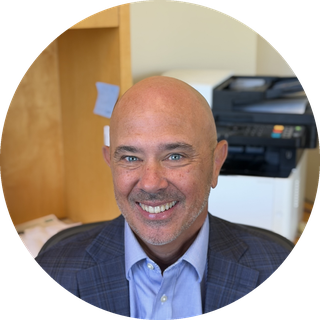
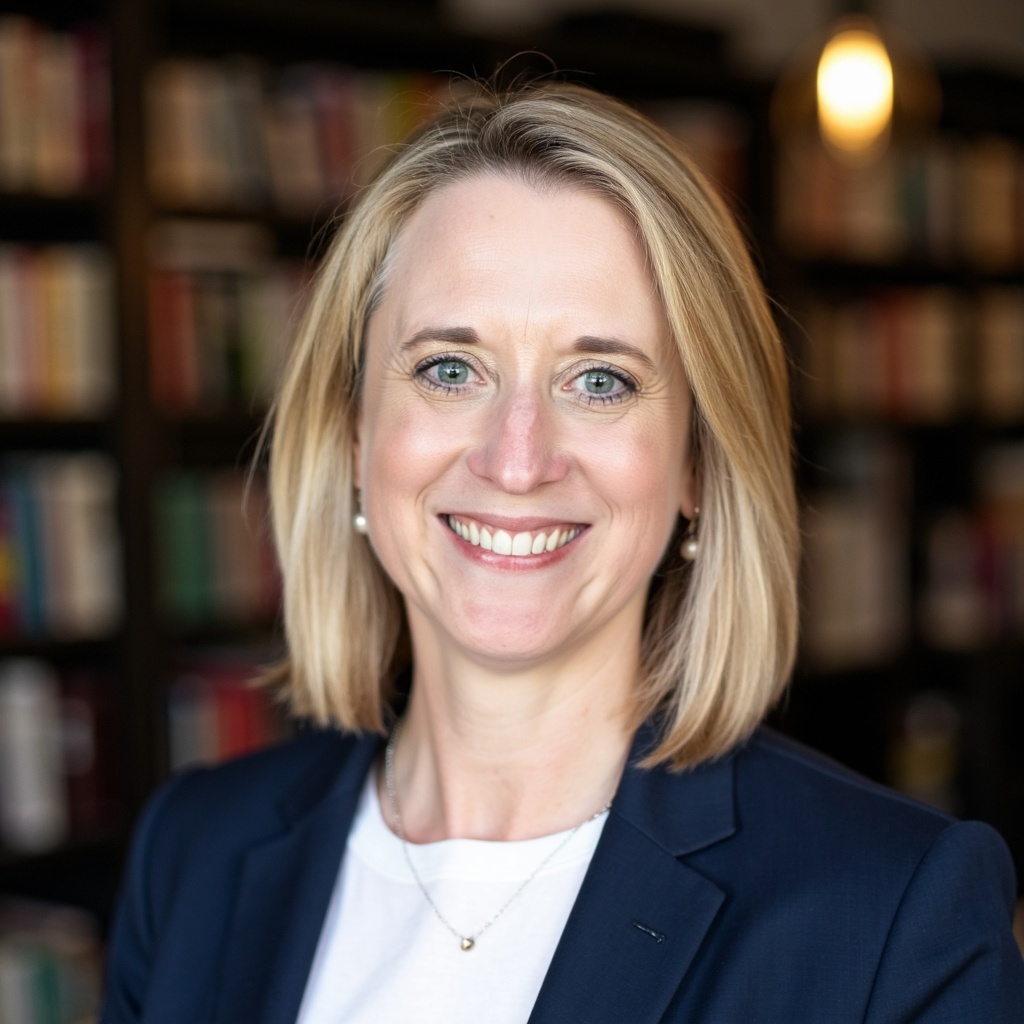

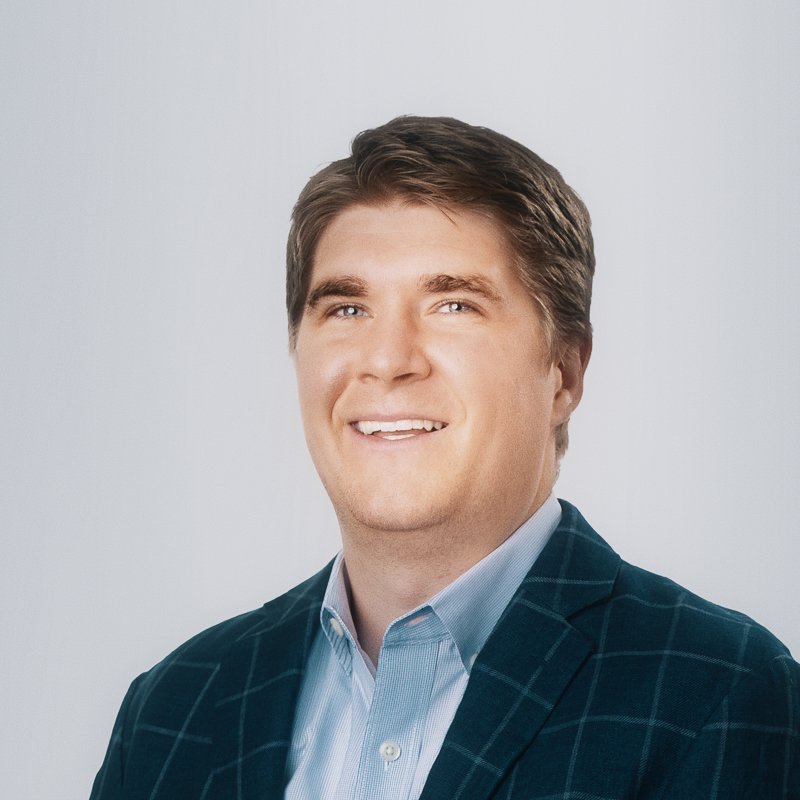
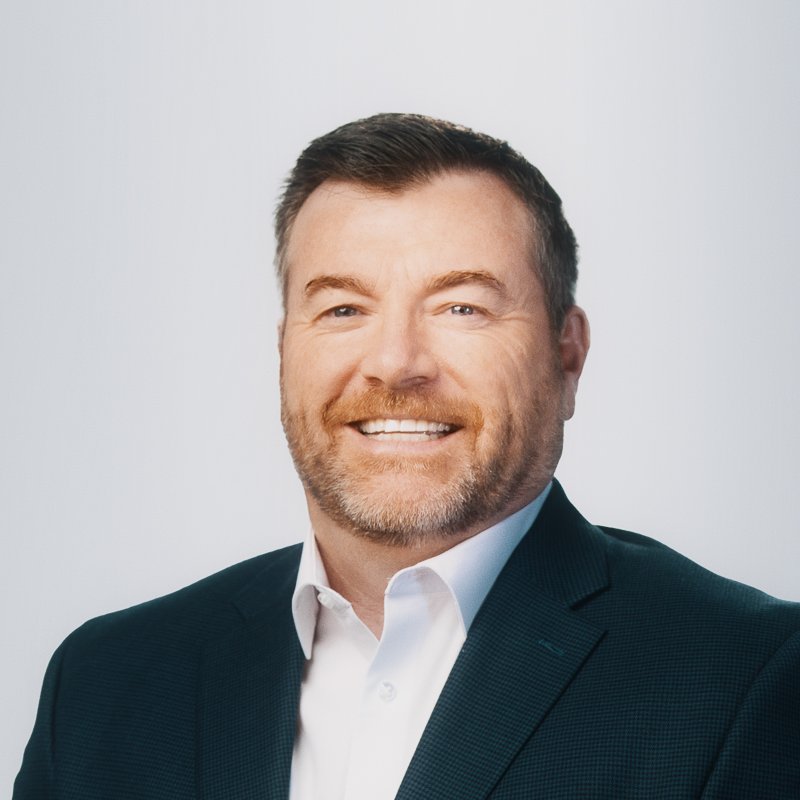





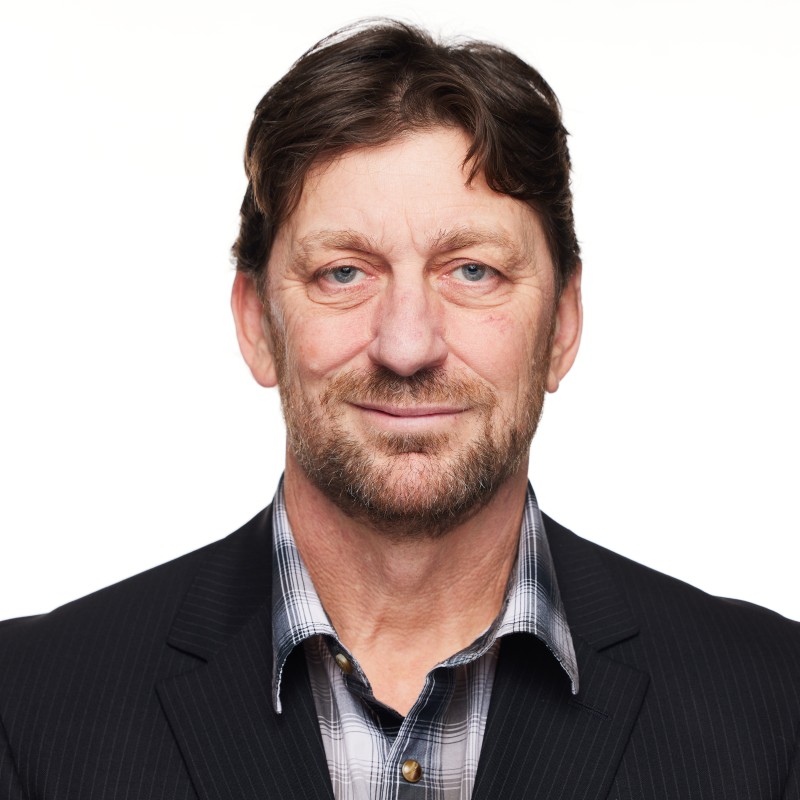
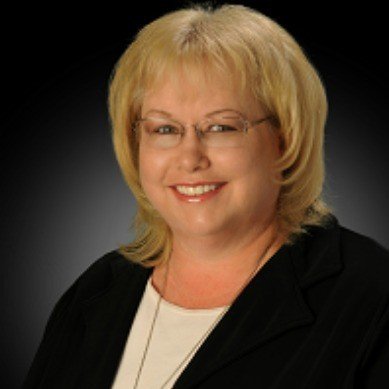
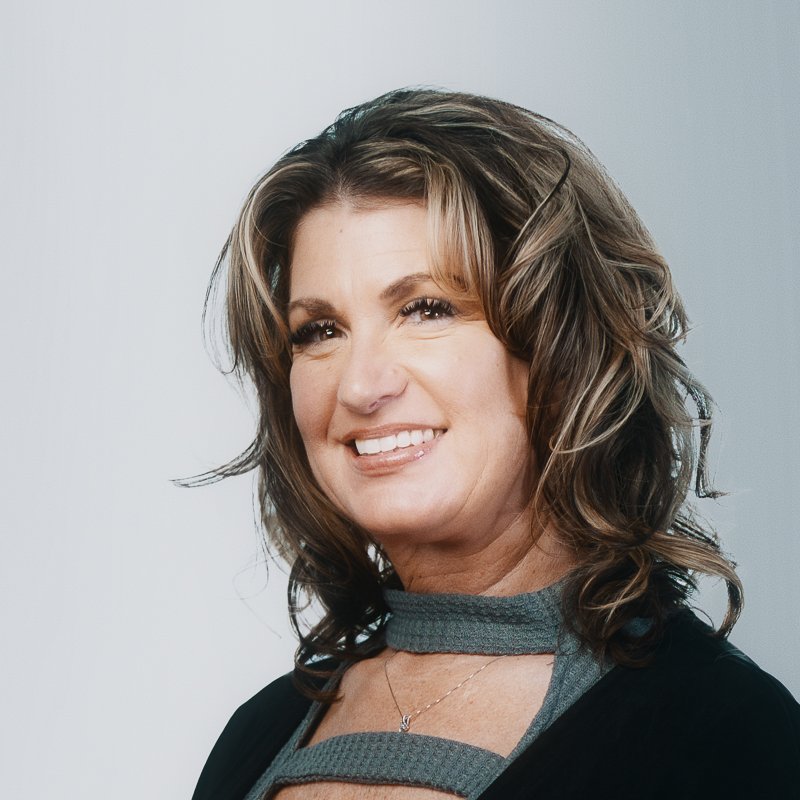









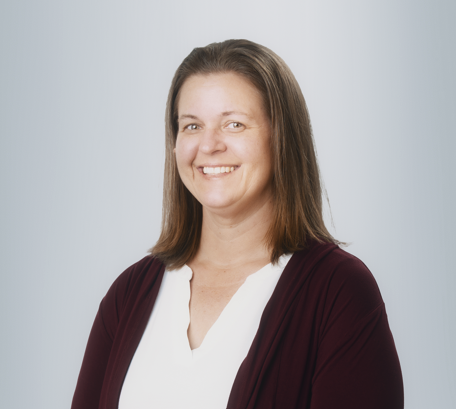

ARI’s RFQ asks for a specialist partner rather than a generalist. I want to speak to the part of that which is my responsibility, which is whether the specialists are actually available when Logan needs them.
Team Haugen sits five miles from your Springfield headquarters. That proximity is worth saying out loud because of what it changes operationally rather than relationally. A certificate gets issued by someone in the same time zone who can pick up the phone and ask what the owner actually requires. Somebody can be standing at the Creswell magazine the same afternoon you call. Site visits to Springfield, Creswell, and Philomath are a morning, not a travel authorization.
What I am committing on behalf of the Oregon operation is resourcing. Every practice named in this response is available to this account without a referral, a cost transfer, or a queue. The captive team. Risk engineering. Surety. Benefits. Claims. When Logan brings one of them onto your account, he is not asking anyone’s permission, and the response time is not a function of where you sit on someone else’s priority list.
You have our undivided support here locally. The bench you are reading about is the bench you get.
ARI’s RFQ says plainly that this is not a commodity placement. That framing is the reason this response looks the way it does, and it is the reason I am putting my name to it.
What I want to commit to is narrower than a partnership statement. Three things.
The people named in this response are the people who will do the work. The team that presents on September 21 is the team that services the account on October 15. Not a pitch team handing off after selection. We document escalation paths and knowledge transfer for every named individual, and ARI gets advance notice and a structured transition on any change.
The service levels in your Section 7 are confirmed without exception, and three of them we beat. Rush certificates in two business hours, issued by a named person. Contract review in two business days by a licensed attorney who works here. Renewal strategy opening at 150 days rather than 120.
And what we cannot verify, we tell you we cannot verify. Our response takes one formal exception and states it on its face. Every response to an RFQ this detailed has open items. The value is in stating them rather than filling them in, and you should read any response that has none of them with some suspicion.
Behind the Eugene team sits HUB’s national platform. Our Specialty Captive Group, our Risk Services practice, our specialty and London market access. Those resources are aligned to this account and they scale with ARI’s footprint across all 23 states.
ARI carries environmental, cyber, crime, and employment practices coverage today, and RFQ Section 2.4 puts all four in scope. For a drilling and blasting contractor these are not add-on lines. They are where uninsured loss tends to hide, because the policy language was written for a general contractor and the exposure is not general.
Fuel storage, blasting agent storage, dust and airborne emissions, spill response, and Oregon quarry reclamation obligations. We would review whether the current form responds to gradual release as well as sudden and accidental, whether reclamation liability is addressed, and whether the contractors pollution form follows ARI onto owner-controlled sites. Blasting agents are frequently handled by exclusion rather than by coverage. We would find out which one applies.
StrataIQ changes this exposure. An operation running blast design software, drone volumetrics, and remote monitoring has an operational technology exposure, not just a data exposure. We would review whether the current policy covers business interruption from a platform outage, not only breach response and notification costs.
Bulk fuel and explosives inventory, multi-state payroll, and a 115-person workforce drive this. We would review employee dishonesty limits against actual inventory values and confirm the employment practices form covers the full 23-state footprint.
One jet, one helicopter, multiple drones. We would place aviation as a separate tower rather than endorsing it onto the commercial program. The reason is claims, not premium. Aircraft hull and liability underwriting, pilot qualification requirements, and territory limits do not behave like fleet auto, and when aviation is endorsed onto a package it tends to carry sublimits nobody reviewed and pilot warranties nobody tracked.
HUB already holds ARI’s bond program. Ian Campbell leads it and Kristen McGillvrey handles day-to-day servicing. This is the one part of ARI’s program that carries no transition risk, because there is no transition. It is a running relationship.
That matters more than continuity. A surety relationship is built on the underwriter knowing the contractor. Campbell has that history already, which means bonding capacity conversations start from a known position rather than from a fresh submission.
Ian brings 18 years in the industry and more than a decade dedicated exclusively to surety, as Past President of the Surety Association of Oregon and a member of the NASBP Leadership Committee.
Bringing the casualty program to the broker that already holds the bonds removes a recurring friction point. The surety underwriter and the casualty underwriter stop receiving two different versions of the same company.
Bonds across Creswell, Harrisburg, Philomath, Florence, and Sears Road with DOGAMI obligations.
The Miller Act under Certified Indian Economic Enterprise and Buy-Indian qualification.
Public infrastructure work and the Little Miller Act.
Licensing across 23 states with NASCLA fast-track.
Capacity for utility-scale projects at 5.6+ GW of completed solar pre-drilling.
Explosives and specialty permit bonds.
Names, numbers, and what each one can speak to.
Heavy lift, rigging, and specialized transport. Complex heavy equipment and liability, multi-state operations, hazardous cargo.
Scope. P&C lead, workers’ compensation, employee benefits, surety, alternative risk planning.
HUB team. Logan Haugen as relationship manager and P&C lead. Samantha Bradley on benefits. Ian Campbell and Kristen McGillvrey on surety.
Relationship. 4+ years. Direct: (970) 699-0447 | dick.ferchak@omegamorgan.com
The one to call first. Omega Morgan has worked directly with Ellen Sue Bernards on alternative risk with Logan as lead broker, and with most of the bench named on this page. If ARI wants a reference who can speak to the captive and alternative risk team by name rather than by reputation, this is it.
Heavy civil and infrastructure. Multi-state contractor operations, GL and auto tower complexity.
Relationship. 12+ years. Cell: (541) 891-3970 | jjackson@rmcpave.com
Broadline foodservice distribution, warehouse and cold storage, DOT-regulated delivery fleet. A reference for long-term service and multi-line coordination rather than high-hazard operations.
Relationship. 5+ years. Cell: (541) 510-9649 | kmartin@mcdonaldwhsl.com
Five practices that sit alongside the program.
Narrative rather than a table, because a fee nobody can read inside is not a disclosed fee.
HUB proposes a fee-based arrangement. Our preliminary estimate for comprehensive broker of record services, covering program design and placement, claims advocacy, risk engineering coordination, certificate administration, and captive and alternative risk advisory, is approximately $150,000 annually. We are prepared to discuss fee-for-service with commission offset, and we will provide annual compensation reporting at whatever level of detail ARI requires.
The fee covers everything described in Sections 3(a) through 3(i). Services outside that scope are disclosed and priced separately with ARI’s approval before any engagement begins. Captive pre-feasibility studies typically run $35,000 to $75,000 depending on complexity. RMIS and client portal access is included at no separate charge.
Outside the proposed fee, HUB receives contingent, supplemental, or profit-sharing compensation from carriers through guaranteed service arrangements. These are not account-specific, and our service team members are not privy to their details, which is the structural reason they are serving ARI’s interests rather than optimizing for a carrier relationship. Any client may request a straight-line calculation to determine whether their premiums contributed to additional HUB revenue, or request that their premiums be excluded from any such arrangement entirely.
Where ARI’s program requires a wholesale broker, MGA, or other intermediary for E&S or specialty placements, we disclose the intermediary, its role, compensation flow, and accountability structure before binding. There are no undisclosed intermediary arrangements.
Most submissions tell carriers what you do. Ours show them who you are. On an Aggregate Resource Industries engagement we would build a custom underwriting microsite, purpose-built to communicate your operations, your safety culture, and your risk controls directly to the markets that matter.
Carriers gain immediate confidence in your operations, not just your loss runs. Safety investments and risk controls are clearly communicated and credible. That is how a 0.73 gets priced as a 0.73.
An underwriting website, live. Omega Morgan is a Team Haugen client. They agreed to let us show their underwriting website here as a working example of what this looks like for a real account. Scroll it in place, or open it full screen.